9 hr
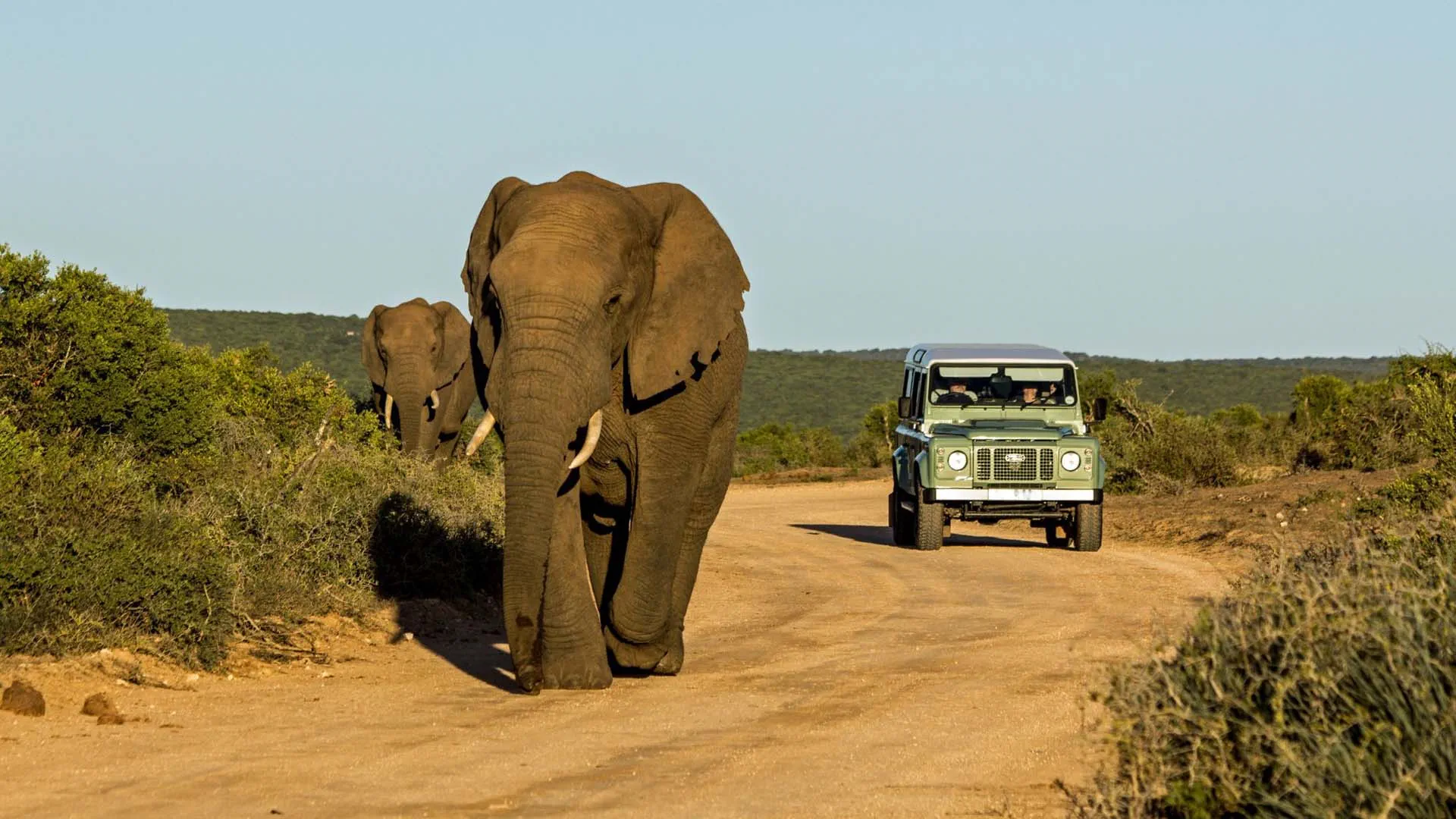
Addo Elephant National Park Full-Day Safari
Discover South Africa's third-largest park on a guided 4x4 adventure with elephants, rhinos, and the Big 7
Reserve
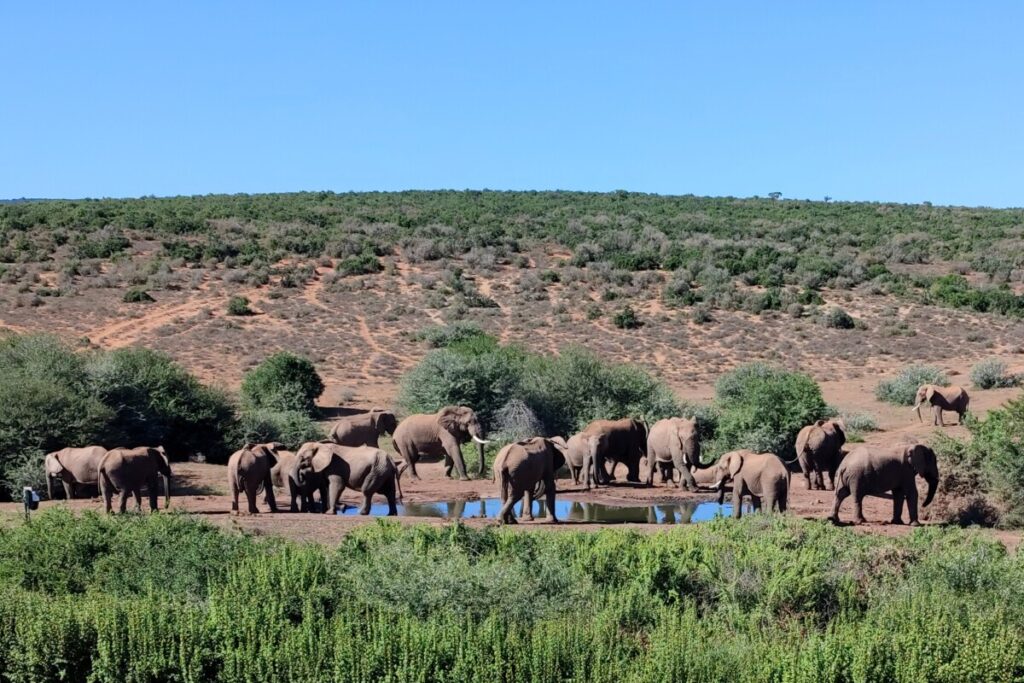
Where herds converge at waterholes, dust rises at dawn
Hand-picked by our editors — only the best 3 safari experiences from 12 reviewed.
Verified partners for Addo Elephant Park Day Safari tours, free cancellation where available, and instant confirmation on every booking.
9 hr
Discover South Africa's third-largest park on a guided 4x4 adventure with elephants, rhinos, and the Big 7
Reserve
4 hr
Discover South Africa's iconic elephants and Big 5 wildlife on a 4-hour safari with expert local guides
Reserve
9 hr
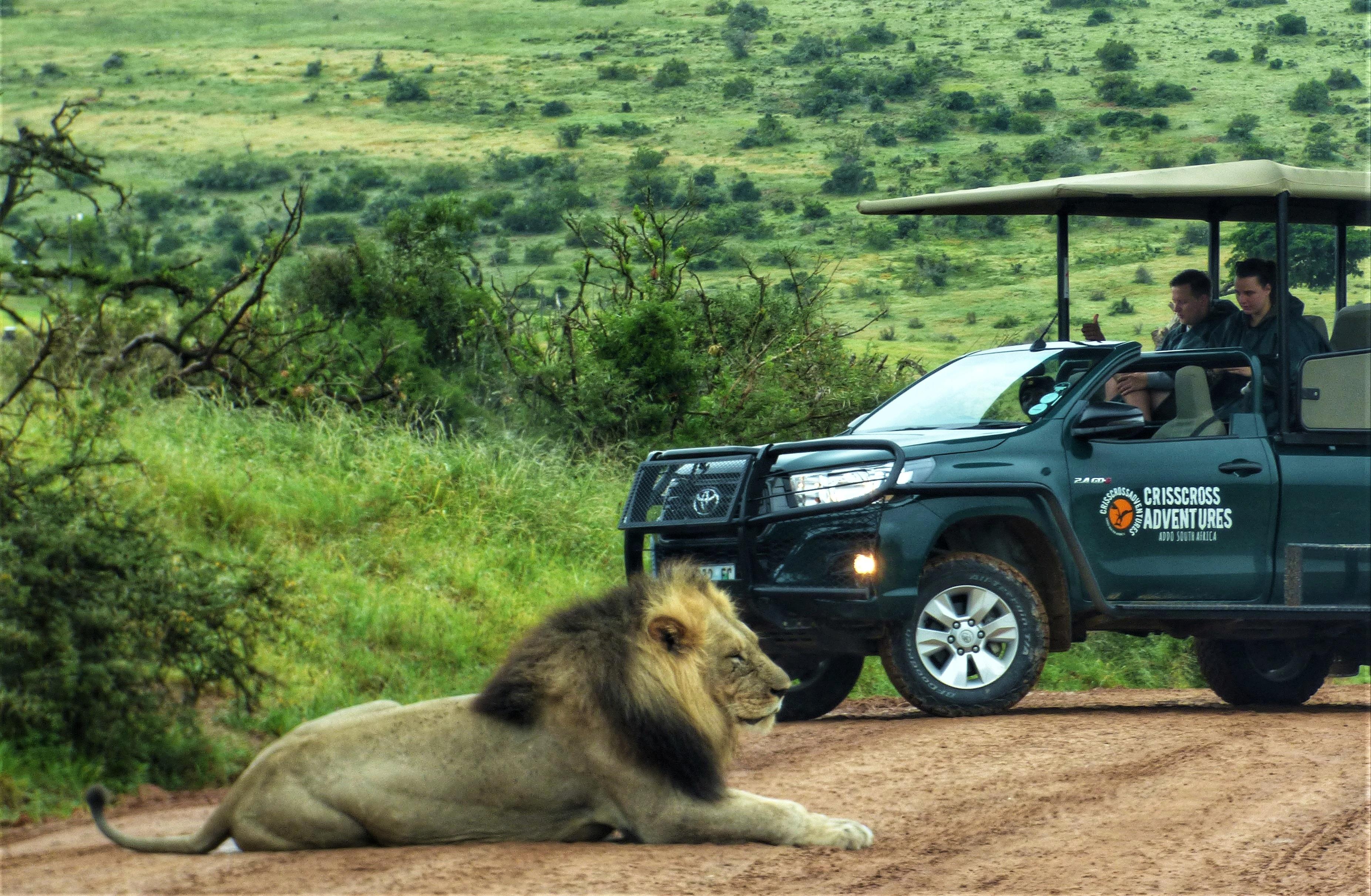
Discover wildlife across both park sections with expert guides, traditional BBQ lunch, and ample photo stops
ReservePrices from verified partners. Availability updates in real time at checkout. Free cancellation policies apply where shown.
The landmarks, rooms, and views travelers on Addo Elephant Park Day Safari tours remember — all visible on a single visit.
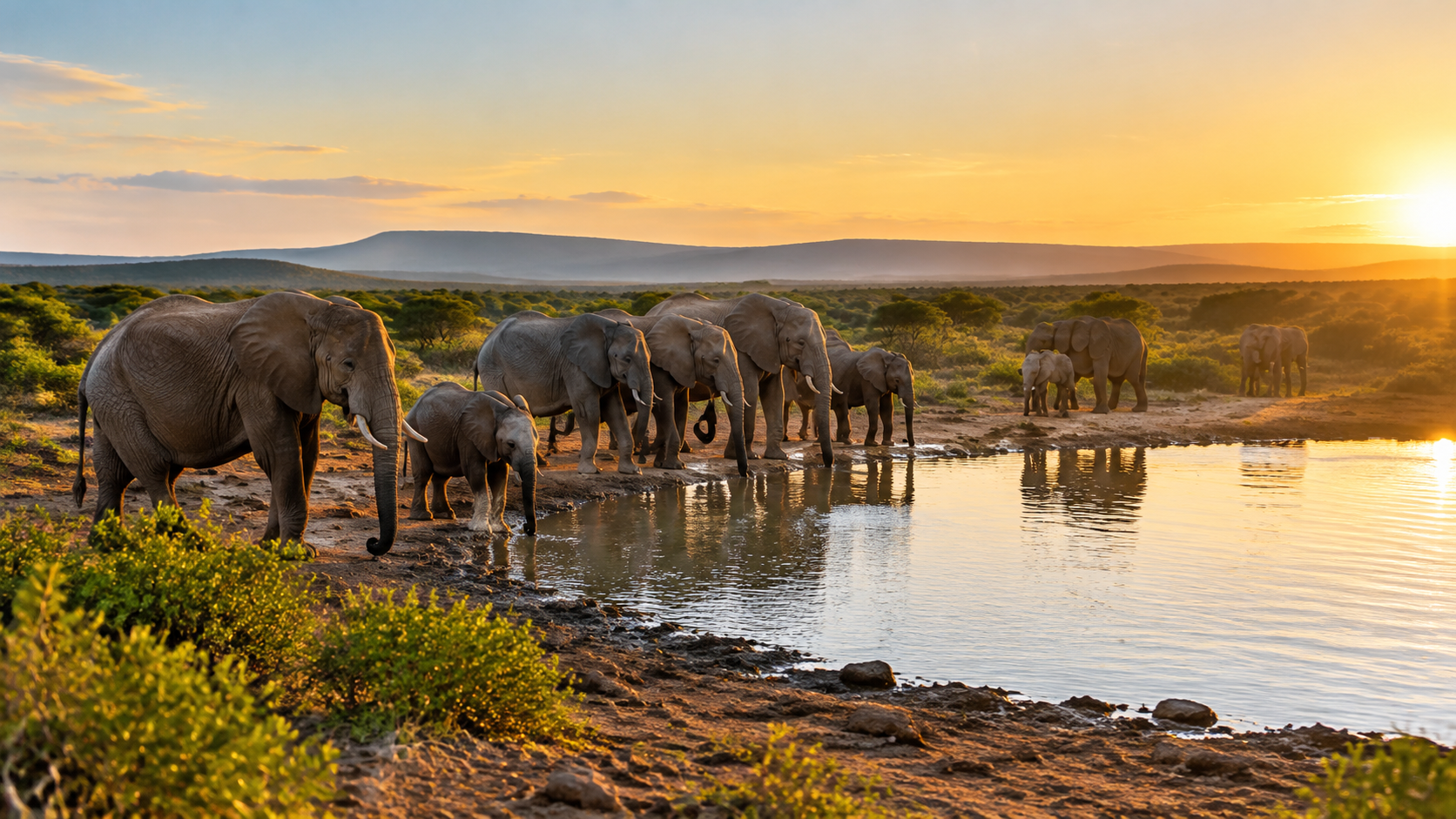
A famous floodlit waterhole where elephant herds gather to drink near the reception area.
A specialized structure for observing nocturnal animals and secretive wildlife.
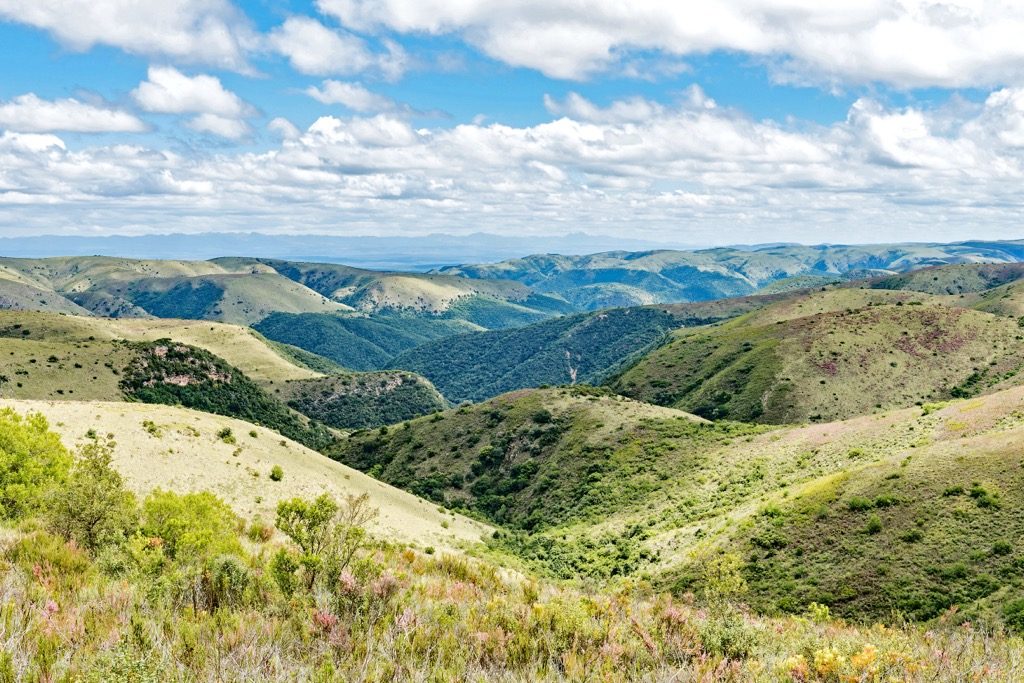
The northern boundary of the park featuring dramatic vistas and hiking.
The lush bushveld area surrounding the park, known for citrus orchards.
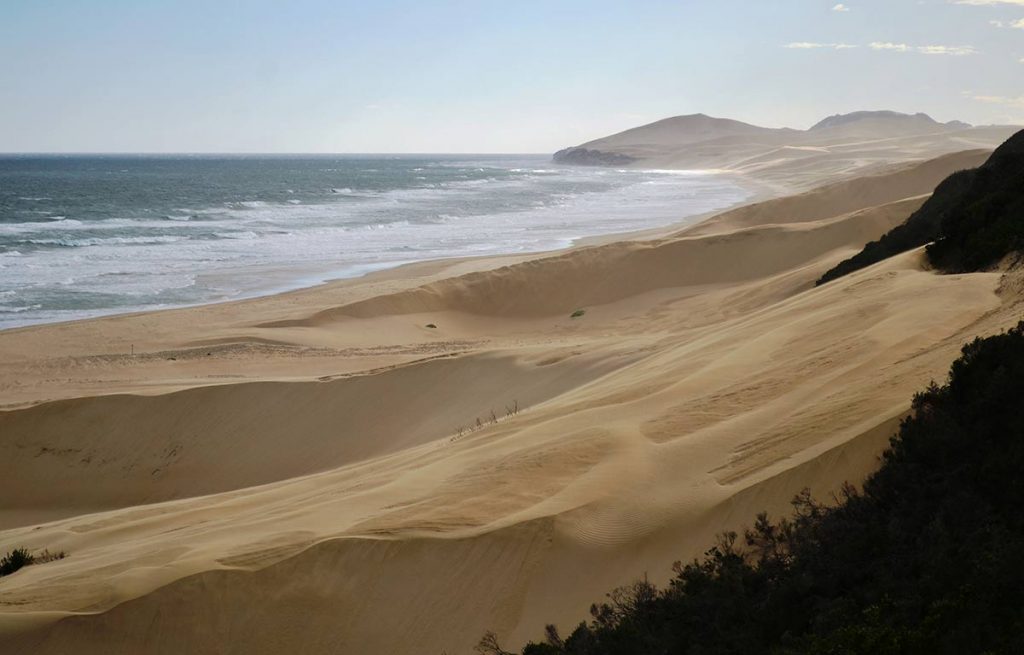
The largest coastal dune field in the Southern Hemisphere located at the park's edge.
Every Addo Elephant Park Day Safari tour side-by-side — duration, what's included, how you redeem.
| Experience | Duration | Rating | Pickup | Guide | Small group | Free cancel. | Price | |
|---|---|---|---|---|---|---|---|---|
|
Guided Experience Most popular
Addo Elephant National Park Full-Day Safari
|
9 hr | ★ 4.8 | ✓ | ✓ | ✓ | ✓ | €166 | Book → |
|
Standard Entry
Half-Day Guided Safari at Addo Elephant National Park
|
4 hr | ★ 4.7 | ✓ | ✓ | ✓ | ✓ | €70 | Book → |
|
Guided Experience
Addo Elephant National Park Full-Day Safari
|
9 hr | ★ 5.0 | — | ✓ | ✓ | ✓ | €121 | Book → |
All prices from verified partners. Availability and exact terms confirmed at checkout.
Guided tours offer superior wildlife interpretation through professional trackers, whereas self-drive trips provide the freedom to explore at your own pace. Most visitors find that an addo elephant park day safari provides deeper educational insight while self-driving allows for more intimate photography sessions.
| Feature | Top pick Guided Safari | Self-Drive |
|---|---|---|
Navigational Expertise |
Professional field guide | Visitor-managed navigation |
Wildlife Spotting Success |
High via trained trackers | Dependent on visitor observation |
Flexibility of Schedule |
Fixed itinerary times | Completely visitor-defined |
Information Access |
Real-time ecological commentary | Self-guided maps and books |
Cost Effectiveness |
Higher fee for service | Lower daily conservation cost |
Interaction with Guide |
Direct personal engagement | No professional interaction |
| See tickets → |
Verdict: Choosing between addo elephant park day safari tickets and a personal vehicle depends on whether you prioritize expert wildlife context or the autonomy of addo elephant park day safari tours. Those seeking optimal animal sightings often prefer the addo elephant park day safari tour, while independent travelers value the privacy of their own vehicle.
Choose your ticket, select your date, and reserve in under two minutes. Secure checkout handled by our verified partner.
Instant confirmation by email, with a mobile voucher you can save offline. No printing, no queuing at a collection desk.
Arrive at the entrance, show your voucher on your phone, and walk in. Most tickets include priority or skip-the-line access.
Best time to go, insider tips, nearby landmarks, and the cancellation fine print — flip through to skim what matters to you.
How crowds, weather, and events shift across the year.
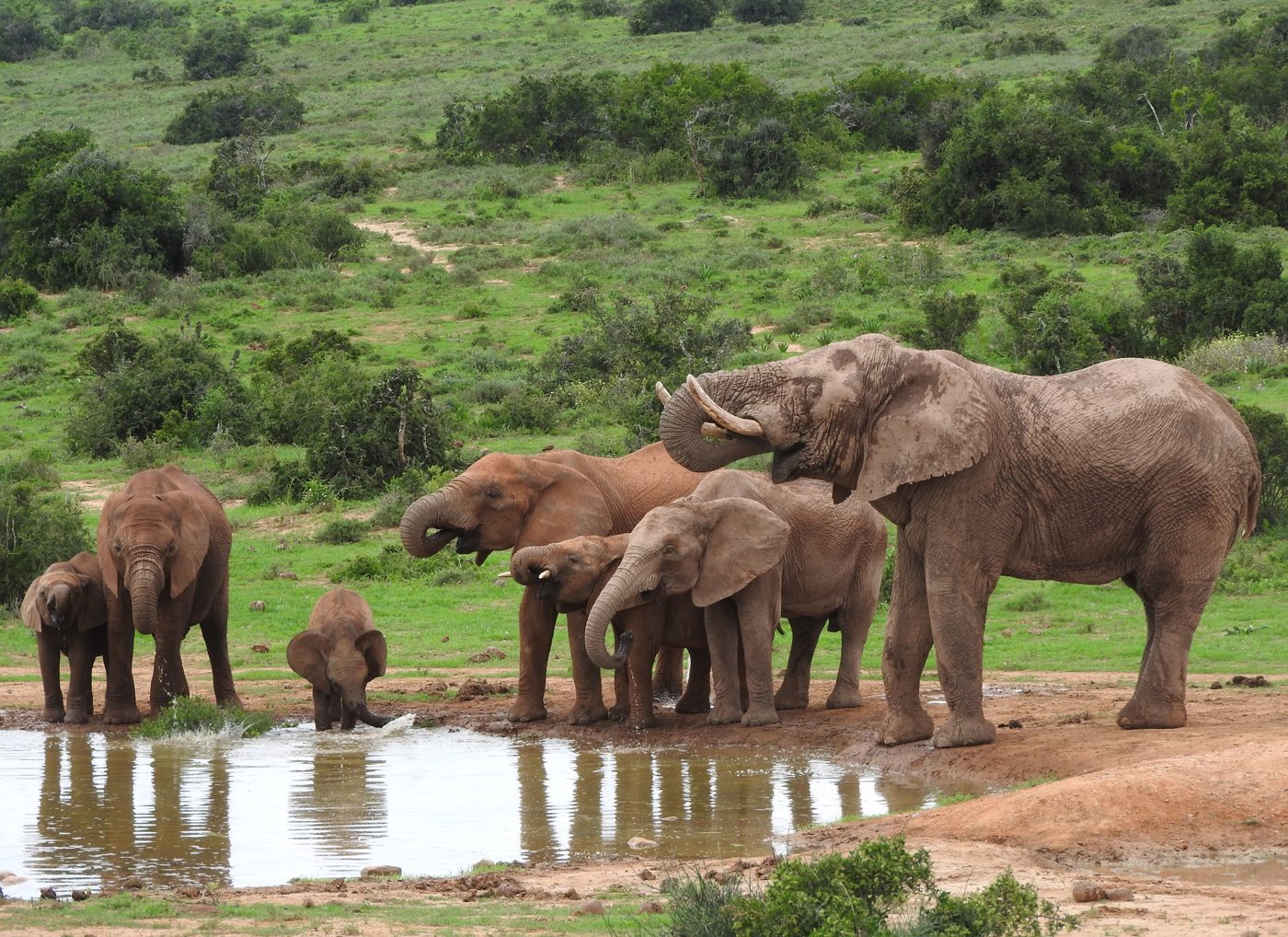
May–September: Best for wildlife spotting as animals gather at waterholes.
September: Mild temperatures, ideal for a full-day addo elephant park day safari.
October–March: Lush vegetation and birdwatching season.
April: Pleasant, transitional weather with fewer crowds.
Small details that turn a good visit into a great one.
Wait quietly at waterholes to see the most activity during your addo elephant park day safari.
Arriving at 07:00 allows you to witness animal movement before the heat of the day.
Elephants always have the right of way; keep a safe distance at all times.
Fill your tank in Gqeberha or Addo before entering, as petrol is not available everywhere.
Bring quality optics to spot wildlife hiding in the thicket vegetation.
Even on cloudy days, the sun is strong during an addo elephant park day safari.
Note the 19:00 closing time to avoid being locked inside the park.
Non-bookable sights within a short walk — free to visit, easy to pair.
Dramatic mountain scenery perfect for photography.
Scenic river views near the park entrance.
Expansive dune fields unique to the region.
Marine sanctuary accessible via specialized tours.
Flexible, no hidden fees.
Entrance fees are typically non-refundable once issued. Changes to guided safari bookings must be requested at least 48 hours in advance.
Hand-picked options within walking distance — pick a district for vibe, or a specific hotel for convenience.
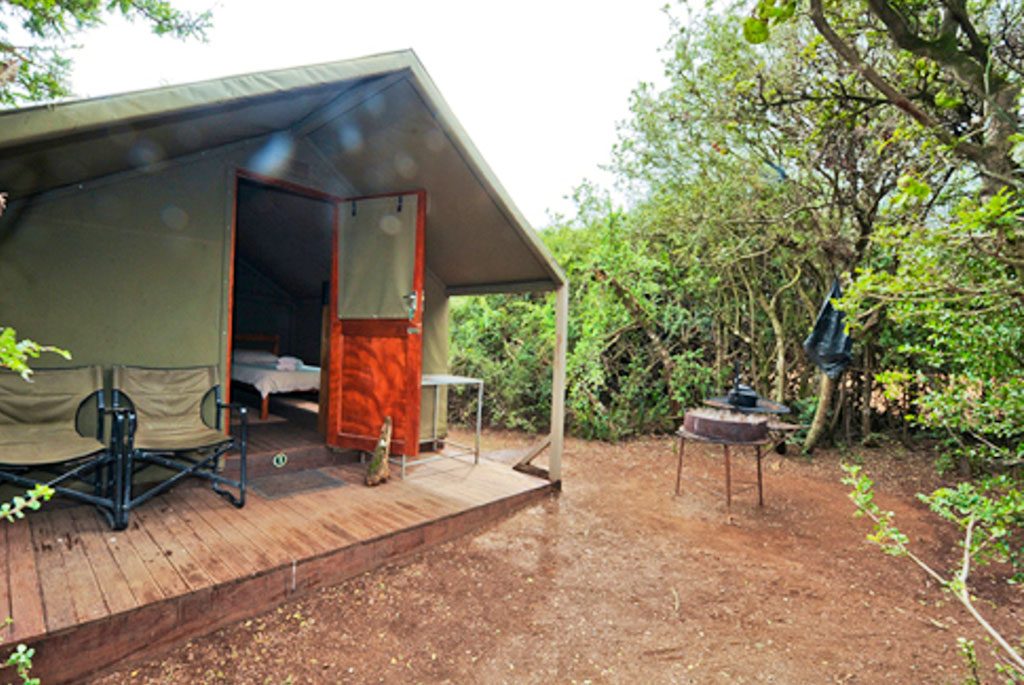
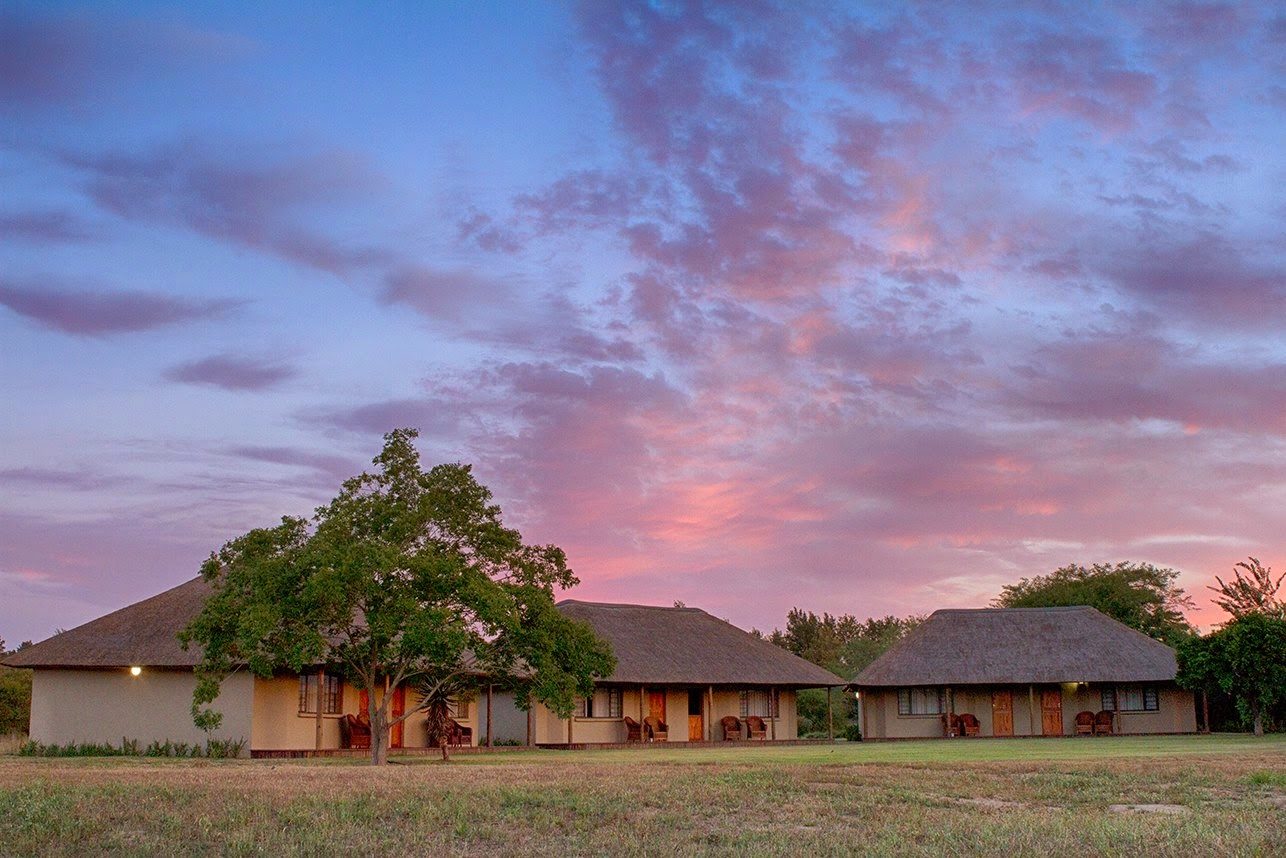
Convenient lodges and campsites within the park.
Panoramic views of the Zuurberg mountains.
Highly recommended with a pool and great dining.
Private concession for an exclusive safari feel.
Addo Elephant National Park was proclaimed in 1931 to protect the last eleven elephants remaining in the Eastern Cape, survivors of systematic extermination campaigns that had reduced regional herds from thousands to a handful.
The reserve initially covered 2,270 hectares of dense valley bushveld along the Sundays River; by 2026, systematic land acquisition and corridor establishment have expanded the park to 164,000 hectares, creating South Africa's third-largest national reserve and the only park worldwide to conserve the Big Seven—elephant, rhinoceros, lion, buffalo, leopard, southern right whale, and great white shark within a single protected area.
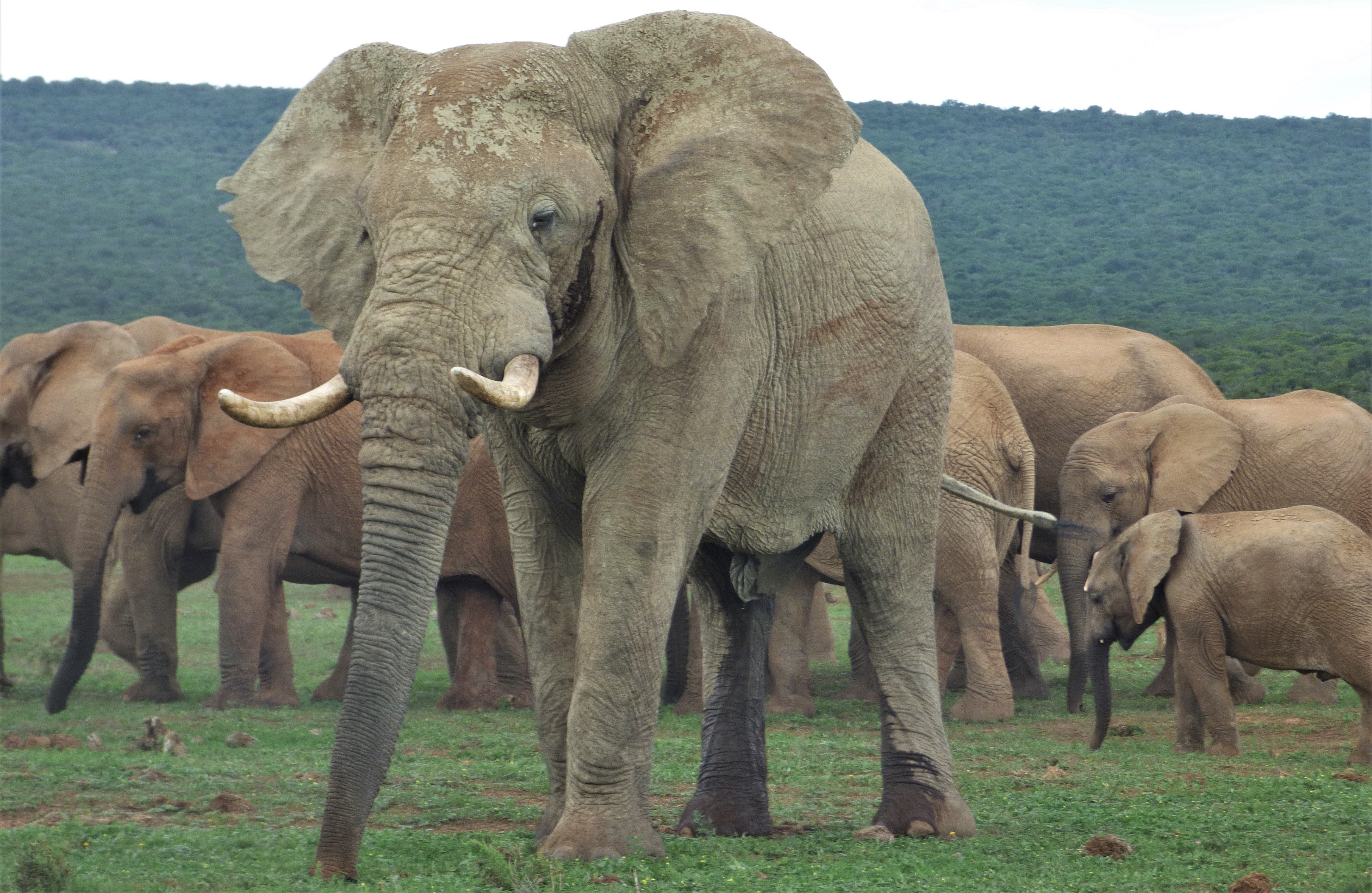
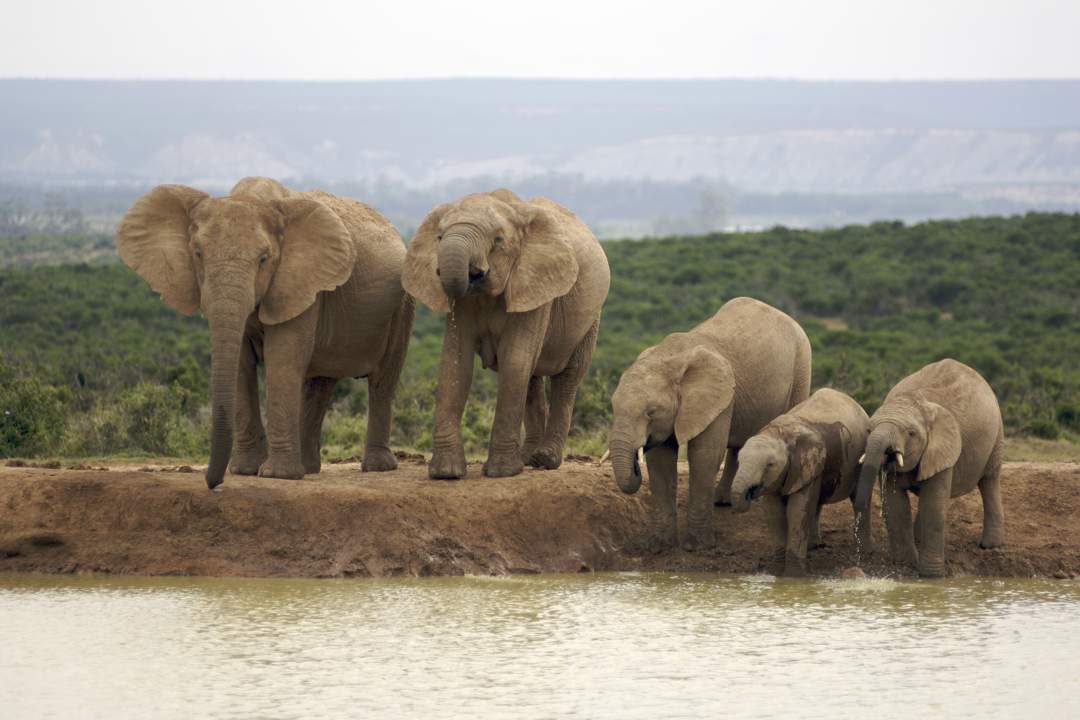
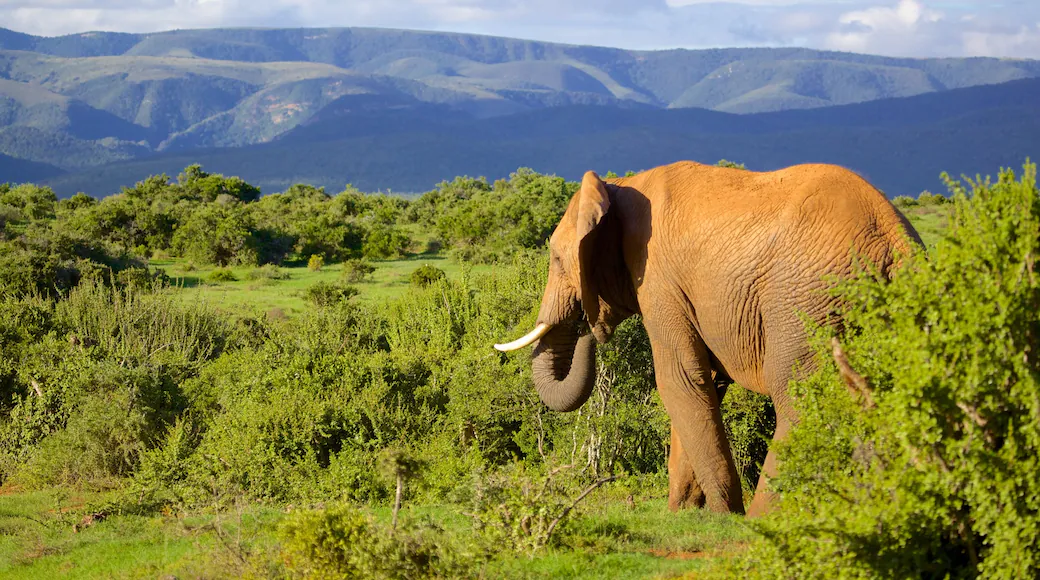
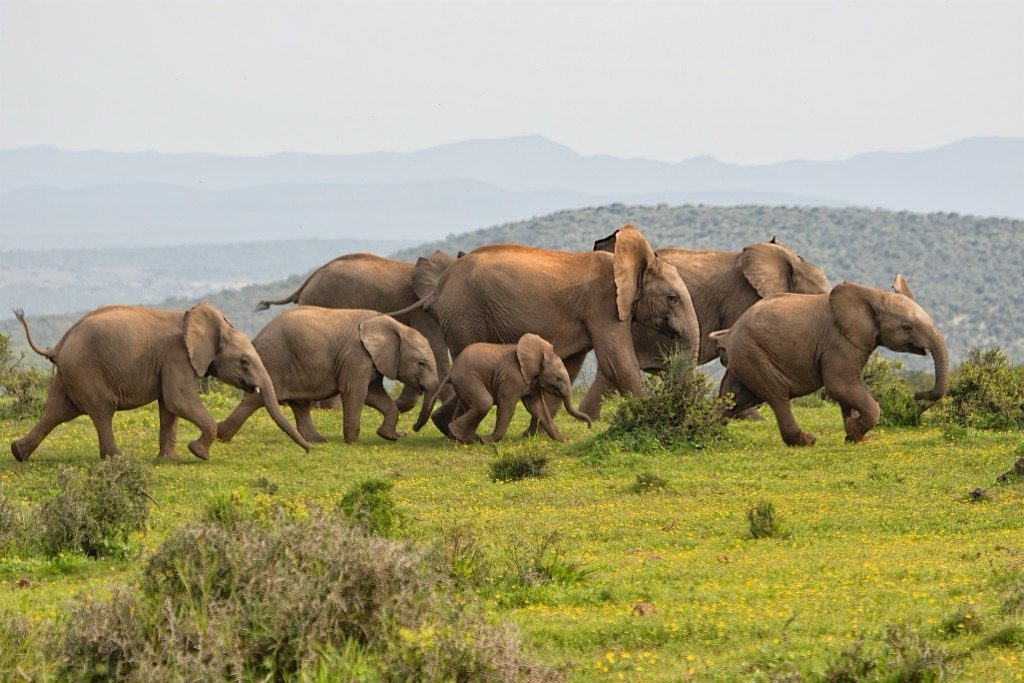
Today, the park sustains over six hundred elephants, the densest free-roaming population on the continent, alongside Cape buffalo herds numbering in the hundreds and a reintroduced lion pride that returned to the region in 2003 after a century's absence. The main game-viewing section, accessible via the R335 corridor from Port Elizabeth, centers on Hapoor Dam and the surrounding thornveld flats, where herds congregate during the dry winter months between May and September. The landscape—a transitional zone between subtropical thicket, Nama-Karoo shrubland, and fynbos vegetation—supports over four hundred bird species and contains one of the last remaining populations of the flightless dung beetle, an ecological indicator species that processes elephant waste and aerates the soil.
Addo Elephant Park day safari tours operate year-round, with self-drive routes spanning eighty kilometers of graded roads that loop through five distinct vegetation zones, from the valley floor to the Zuurberg mountain range escarpment. Guided full-day safaris include interpretive stops at Domkrag historic farmstead, where stone-walled kraals document Khoi pastoralist settlement predating Dutch colonial expansion, and at the underground Spekboom hide, positioned at eye level with drinking elephants. The park's northern section, opened to visitors in 2005, extends safari options to include the Darlington Dam area, where black rhinoceros reintroduction efforts have established a breeding population of thirty individuals. Conservation fees—492 ZAR per foreign adult—fund anti-poaching patrols, veterinary interventions, and water-point maintenance across the reserve, infrastructure that sustains wildlife through the region's periodic droughts and allows year-round access to core viewing areas.
"From eleven elephants in 1931 to over six hundred today, Addo stands as proof that dedicated conservation can reverse extinction trajectories."
There is no strict dress code, but we recommend wearing comfortable, neutral-colored clothing and layers for your addo elephant park day safari.
Yes, there is an on-site restaurant and multiple picnic spots available for guests during their addo elephant park day safari.
The dry winter months (May–September) offer the most productive wildlife viewing, making them ideal for addo elephant park day safari tours.
Entrance fees are generally non-refundable; please check specific operator terms if you booked a guided addo elephant park day safari tour.